
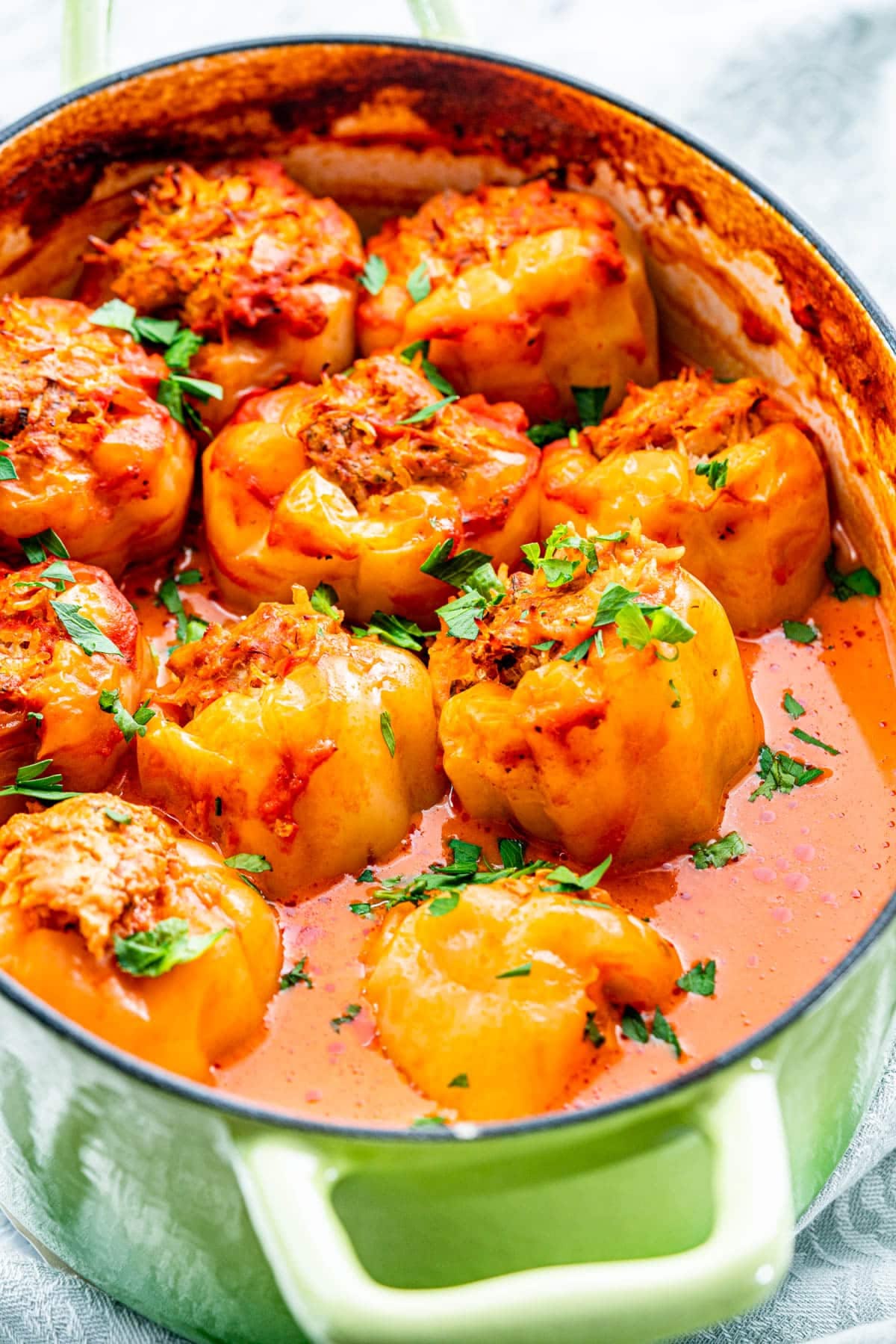
Traditional Recipes: Classic Homemade Dishes Full of Flavor and Tradition
Traditional recipes are more than just a way to prepare food. They are a delicious connection to family, culture, memories, and generations of home cooking. From hearty soups and comforting stews to homemade breads, roasted meats, savory pies, and classic desserts, traditional dishes continue to bring people together around the table.
On our Traditional Recipes collection, you will discover comforting homemade meals inspired by classic cooking traditions. These recipes focus on simple ingredients, familiar flavors, and practical cooking methods that make it easier to prepare satisfying meals at home.
Whether you are looking for an old-fashioned family dinner, a comforting weekend meal, or a classic recipe that reminds you of home, traditional cooking offers something for everyone.
What Are Traditional Recipes?
Traditional recipes are dishes that have been prepared and enjoyed by families and communities for many years. They are often passed from one generation to another and may vary depending on the region, family, or available ingredients.
Many traditional recipes use simple pantry staples such as potatoes, onions, garlic, vegetables, flour, eggs, rice, meat, herbs, and dairy products. Although the ingredients may be simple, careful preparation and traditional cooking techniques can create rich and satisfying flavors.
One of the most appealing things about traditional homemade recipes is their balance between simplicity and taste. You do not always need expensive ingredients or complicated equipment to create a delicious meal.
Why Traditional Cooking Is Still Popular
Modern life has made quick meals and convenience foods more common, but traditional cooking remains popular because people still appreciate homemade food.
Traditional dishes often provide the comforting flavors that are difficult to find in processed meals. A slowly cooked stew, freshly baked bread, homemade soup, or family-style casserole can create a feeling of warmth and comfort.
Another reason people enjoy traditional recipes is their versatility. Many classic dishes can be adapted to suit different preferences while still keeping their original character.
For example, vegetables can be added to soups and stews, different herbs can be used to enhance flavor, and meat can sometimes be replaced with beans, mushrooms, or other ingredients.
Classic Traditional Recipes to Try
Hearty Homemade Soups
Soup is one of the most timeless categories of traditional cooking. Homemade soups can be prepared with vegetables, meat, beans, noodles, rice, or potatoes.
A traditional soup is especially comforting during colder months, but lighter vegetable soups can be enjoyed throughout the year. Slow cooking allows the ingredients to release their natural flavors and creates a rich, satisfying broth.
Popular homemade soup ideas include vegetable soup, chicken soup, beef soup, bean soup, and traditional meatball soup.
Traditional Stews
Traditional stews are perfect when you want a filling and comforting meal. They usually combine meat or vegetables with onions, potatoes, carrots, tomatoes, herbs, and flavorful sauces.
The secret to a great stew is often slow cooking. Allowing the ingredients to cook gently gives the meat time to become tender and allows the flavors to develop.
Serve a traditional stew with fresh bread, rice, potatoes, or a simple salad for a complete family dinner.
Homemade Meat Dishes
Classic meat recipes remain an important part of traditional cooking. Roasted chicken, baked pork, beef dishes, meatballs, stuffed cabbage, and grilled meats are just a few examples.
Traditional meat recipes often rely on simple seasonings such as garlic, paprika, black pepper, salt, parsley, thyme, and other aromatic herbs.
The goal is not always to use a large number of spices. Instead, traditional cooking often focuses on bringing out the natural flavor of the main ingredients.
Traditional Breads and Pastries
Homemade bread has a special place in traditional kitchens. Freshly baked bread can transform a simple meal into something much more satisfying.
Traditional bread recipes may include basic ingredients such as flour, yeast, water, salt, and sometimes milk or butter. Depending on the recipe, breads can be soft and fluffy, rustic and crusty, or enriched with seeds and herbs.
Savory pies and homemade pastries are also popular traditional dishes. They can be filled with cheese, potatoes, vegetables, meat, or other flavorful ingredients.
Classic Traditional Desserts
Traditional cooking is not complete without dessert. Classic homemade desserts often use ingredients that have been available in kitchens for generations, including flour, eggs, milk, butter, sugar, fruit, nuts, and chocolate.
Cakes, fruit pies, cookies, puddings, sweet pastries, and homemade breads can all become wonderful family desserts.
Many traditional desserts are particularly popular during holidays and special occasions because they are connected with family traditions and celebrations.
Simple Ingredients, Authentic Flavor
One of the biggest advantages of traditional recipes is that many of them use affordable and easy-to-find ingredients.
Potatoes, onions, carrots, garlic, eggs, flour, rice, beans, seasonal vegetables, and fresh herbs can form the foundation of countless traditional dishes.
Fresh ingredients can make a significant difference in the final result. Whenever possible, choose fresh vegetables, quality meat, fresh herbs, and good-quality dairy products.
Seasonal ingredients are also an excellent choice. They are often more flavorful and can make traditional recipes taste even better.
Tips for Cooking Traditional Recipes at Home
1. Take Your Time
Many traditional dishes benefit from slow and gentle cooking. Do not rush stews, soups, roasted meats, or sauces. Giving ingredients enough time to cook can greatly improve texture and flavor.
2. Use Fresh Herbs
Fresh parsley, dill, thyme, rosemary, basil, and other herbs can add freshness and aroma to homemade dishes.
3. Taste as You Cook
Seasoning should be adjusted gradually. Taste your food during cooking and add salt, pepper, herbs, or spices according to your preference.
4. Follow the Recipe the First Time
If you are preparing a traditional recipe for the first time, follow the recommended measurements and cooking times. Once you understand the recipe, you can begin making your own adjustments.
5. Let Some Dishes Rest
Certain traditional meals taste even better after resting for a short time. This allows the flavors to settle and can also improve the texture.
How to Make Traditional Recipes Healthier
Traditional food can easily be adapted without losing its delicious character.
You can increase the amount of vegetables in soups, stews, and casseroles. Leaner cuts of meat can be used when appropriate, while baking, roasting, steaming, or slow cooking can replace some frying methods.
Reducing added salt and using fresh herbs, garlic, onions, lemon juice, and spices can also add plenty of flavor without relying heavily on salt.
Portion size is another simple way to enjoy traditional meals as part of a balanced diet.
Traditional Recipes for Family Gatherings
Traditional dishes are especially enjoyable when shared with family and friends. Large pots of soup, roasted meats, stuffed vegetables, homemade bread, savory pastries, and classic desserts are ideal for family meals and celebrations.
Cooking together can also help preserve family traditions. Children and younger family members can learn recipes and cooking techniques from older generations, keeping those traditions alive.
A recipe written on an old family card may seem simple, but it can carry memories and stories that make the food even more special.
Frequently Asked Questions About Traditional Recipes
What makes a recipe traditional?
A traditional recipe is generally a dish that has been prepared and enjoyed over many years within a family, region, or culture. Traditional recipes often use familiar ingredients and established cooking techniques.
Are traditional recipes difficult to make?
Not necessarily. Many traditional homemade recipes are surprisingly simple. Some require more cooking time, but the preparation itself can often be straightforward.
Can traditional recipes be changed?
Yes. Traditional recipes can be adapted to personal tastes, dietary preferences, and available ingredients. However, if you want to preserve the original character of a dish, it is best to understand the traditional preparation before making major changes.
What are the most popular traditional foods?
Popular traditional foods vary by country and region. Soups, stews, roasted meats, homemade breads, stuffed vegetables, savory pies, and classic desserts are common examples found in many culinary traditions.
Why do traditional recipes taste so comforting?
Traditional meals are often associated with home cooking, family gatherings, holidays, and childhood memories. Slow cooking, familiar ingredients, and rich aromas can all contribute to their comforting character.
Discover More Traditional Recipes
Traditional cooking reminds us that great food does not have to be complicated. With simple ingredients, thoughtful preparation, and a little patience, you can create meals that are flavorful, satisfying, and perfect for sharing.
Explore our Traditional Recipes collection for classic homemade dishes, comforting family meals, traditional soups, hearty stews, homemade pastries, delicious desserts, and timeless recipes inspired by generations of cooking.
Whether you are an experienced home cook or just starting your culinary journey, traditional recipes are a wonderful way to discover new flavors while keeping the joy of homemade food alive.
From a simple weekday dinner to a special family celebration, there is always a place at the table for a good traditional recipe.
Traditional recipes are more than just a way to prepare food. They are a delicious connection to family, culture, memories, and generations of home cooking. From hearty soups and comforting stews to homemade breads, roasted meats, savory pies, and classic desserts, traditional dishes continue to bring people together around the table.
On our Traditional Recipes collection, you will discover comforting homemade meals inspired by classic cooking traditions. These recipes focus on simple ingredients, familiar flavors, and practical cooking methods that make it easier to prepare satisfying meals at home.
Whether you are looking for an old-fashioned family dinner, a comforting weekend meal, or a classic recipe that reminds you of home, traditional cooking offers something for everyone.
What Are Traditional Recipes?
Traditional recipes are dishes that have been prepared and enjoyed by families and communities for many years. They are often passed from one generation to another and may vary depending on the region, family, or available ingredients.
Many traditional recipes use simple pantry staples such as potatoes, onions, garlic, vegetables, flour, eggs, rice, meat, herbs, and dairy products. Although the ingredients may be simple, careful preparation and traditional cooking techniques can create rich and satisfying flavors.
One of the most appealing things about traditional homemade recipes is their balance between simplicity and taste. You do not always need expensive ingredients or complicated equipment to create a delicious meal.
Why Traditional Cooking Is Still Popular
Modern life has made quick meals and convenience foods more common, but traditional cooking remains popular because people still appreciate homemade food.
Traditional dishes often provide the comforting flavors that are difficult to find in processed meals. A slowly cooked stew, freshly baked bread, homemade soup, or family-style casserole can create a feeling of warmth and comfort.
Another reason people enjoy traditional recipes is their versatility. Many classic dishes can be adapted to suit different preferences while still keeping their original character.
For example, vegetables can be added to soups and stews, different herbs can be used to enhance flavor, and meat can sometimes be replaced with beans, mushrooms, or other ingredients.
Classic Traditional Recipes to Try
Hearty Homemade Soups
Soup is one of the most timeless categories of traditional cooking. Homemade soups can be prepared with vegetables, meat, beans, noodles, rice, or potatoes.
A traditional soup is especially comforting during colder months, but lighter vegetable soups can be enjoyed throughout the year. Slow cooking allows the ingredients to release their natural flavors and creates a rich, satisfying broth.
Popular homemade soup ideas include vegetable soup, chicken soup, beef soup, bean soup, and traditional meatball soup.
Traditional Stews
Traditional stews are perfect when you want a filling and comforting meal. They usually combine meat or vegetables with onions, potatoes, carrots, tomatoes, herbs, and flavorful sauces.
The secret to a great stew is often slow cooking. Allowing the ingredients to cook gently gives the meat time to become tender and allows the flavors to develop.
Serve a traditional stew with fresh bread, rice, potatoes, or a simple salad for a complete family dinner.
Homemade Meat Dishes
Classic meat recipes remain an important part of traditional cooking. Roasted chicken, baked pork, beef dishes, meatballs, stuffed cabbage, and grilled meats are just a few examples.
Traditional meat recipes often rely on simple seasonings such as garlic, paprika, black pepper, salt, parsley, thyme, and other aromatic herbs.
The goal is not always to use a large number of spices. Instead, traditional cooking often focuses on bringing out the natural flavor of the main ingredients.
Traditional Breads and Pastries
Homemade bread has a special place in traditional kitchens. Freshly baked bread can transform a simple meal into something much more satisfying.
Traditional bread recipes may include basic ingredients such as flour, yeast, water, salt, and sometimes milk or butter. Depending on the recipe, breads can be soft and fluffy, rustic and crusty, or enriched with seeds and herbs.
Savory pies and homemade pastries are also popular traditional dishes. They can be filled with cheese, potatoes, vegetables, meat, or other flavorful ingredients.
Classic Traditional Desserts
Traditional cooking is not complete without dessert. Classic homemade desserts often use ingredients that have been available in kitchens for generations, including flour, eggs, milk, butter, sugar, fruit, nuts, and chocolate.
Cakes, fruit pies, cookies, puddings, sweet pastries, and homemade breads can all become wonderful family desserts.
Many traditional desserts are particularly popular during holidays and special occasions because they are connected with family traditions and celebrations.
Simple Ingredients, Authentic Flavor
One of the biggest advantages of traditional recipes is that many of them use affordable and easy-to-find ingredients.
Potatoes, onions, carrots, garlic, eggs, flour, rice, beans, seasonal vegetables, and fresh herbs can form the foundation of countless traditional dishes.
Fresh ingredients can make a significant difference in the final result. Whenever possible, choose fresh vegetables, quality meat, fresh herbs, and good-quality dairy products.
Seasonal ingredients are also an excellent choice. They are often more flavorful and can make traditional recipes taste even better.
Tips for Cooking Traditional Recipes at Home
1. Take Your Time
Many traditional dishes benefit from slow and gentle cooking. Do not rush stews, soups, roasted meats, or sauces. Giving ingredients enough time to cook can greatly improve texture and flavor.
2. Use Fresh Herbs
Fresh parsley, dill, thyme, rosemary, basil, and other herbs can add freshness and aroma to homemade dishes.
3. Taste as You Cook
Seasoning should be adjusted gradually. Taste your food during cooking and add salt, pepper, herbs, or spices according to your preference.
4. Follow the Recipe the First Time
If you are preparing a traditional recipe for the first time, follow the recommended measurements and cooking times. Once you understand the recipe, you can begin making your own adjustments.
5. Let Some Dishes Rest
Certain traditional meals taste even better after resting for a short time. This allows the flavors to settle and can also improve the texture.
How to Make Traditional Recipes Healthier
Traditional food can easily be adapted without losing its delicious character.
You can increase the amount of vegetables in soups, stews, and casseroles. Leaner cuts of meat can be used when appropriate, while baking, roasting, steaming, or slow cooking can replace some frying methods.
Reducing added salt and using fresh herbs, garlic, onions, lemon juice, and spices can also add plenty of flavor without relying heavily on salt.
Portion size is another simple way to enjoy traditional meals as part of a balanced diet.
Traditional Recipes for Family Gatherings
Traditional dishes are especially enjoyable when shared with family and friends. Large pots of soup, roasted meats, stuffed vegetables, homemade bread, savory pastries, and classic desserts are ideal for family meals and celebrations.
Cooking together can also help preserve family traditions. Children and younger family members can learn recipes and cooking techniques from older generations, keeping those traditions alive.
A recipe written on an old family card may seem simple, but it can carry memories and stories that make the food even more special.
Frequently Asked Questions About Traditional Recipes
What makes a recipe traditional?
A traditional recipe is generally a dish that has been prepared and enjoyed over many years within a family, region, or culture. Traditional recipes often use familiar ingredients and established cooking techniques.
Are traditional recipes difficult to make?
Not necessarily. Many traditional homemade recipes are surprisingly simple. Some require more cooking time, but the preparation itself can often be straightforward.
Can traditional recipes be changed?
Yes. Traditional recipes can be adapted to personal tastes, dietary preferences, and available ingredients. However, if you want to preserve the original character of a dish, it is best to understand the traditional preparation before making major changes.
What are the most popular traditional foods?
Popular traditional foods vary by country and region. Soups, stews, roasted meats, homemade breads, stuffed vegetables, savory pies, and classic desserts are common examples found in many culinary traditions.
Why do traditional recipes taste so comforting?
Traditional meals are often associated with home cooking, family gatherings, holidays, and childhood memories. Slow cooking, familiar ingredients, and rich aromas can all contribute to their comforting character.
Discover More Traditional Recipes
Traditional cooking reminds us that great food does not have to be complicated. With simple ingredients, thoughtful preparation, and a little patience, you can create meals that are flavorful, satisfying, and perfect for sharing.
Explore our Traditional Recipes collection for classic homemade dishes, comforting family meals, traditional soups, hearty stews, homemade pastries, delicious desserts, and timeless recipes inspired by generations of cooking.
Whether you are an experienced home cook or just starting your culinary journey, traditional recipes are a wonderful way to discover new flavors while keeping the joy of homemade food alive.
From a simple weekday dinner to a special family celebration, there is always a place at the table for a good traditional recipe.