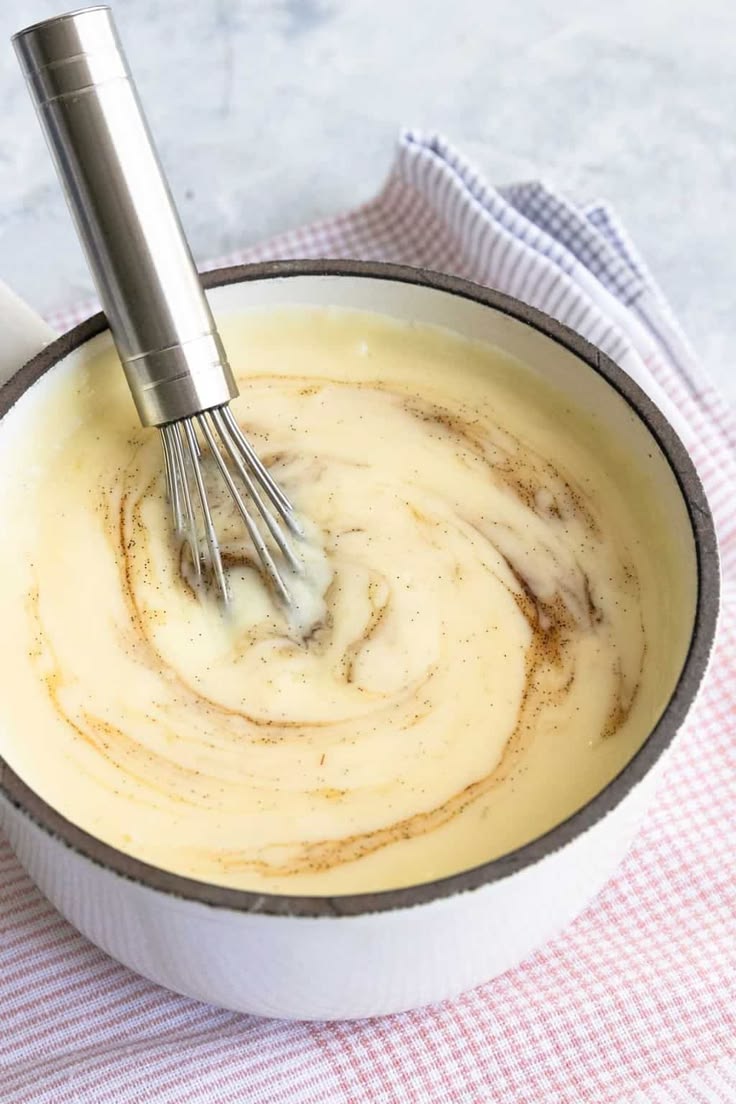
Homemade Pudding Recipe
Homemade Pudding Recipe: Easy, Creamy, and Delicious
Table of Contents

8
Homemade pudding is one of the easiest desserts you can make at home. It is smooth, creamy, rich in flavor, and made with simple ingredients you probably already have in your kitchen. Whether you are looking for an easy homemade vanilla pudding recipe, a chocolate pudding dessert, or a quick sweet treat for your family, this classic recipe is a wonderful choice.
Unlike many store-bought pudding mixes, homemade pudding allows you to control the sweetness, choose your favorite flavors, and avoid unnecessary additives. You can prepare it in less than 20 minutes, then let it chill in the refrigerator until it reaches the perfect creamy consistency.
This easy homemade pudding recipe is ideal for beginners because it requires only a saucepan, a whisk, and a few basic ingredients. Serve it after dinner, prepare it for a party, or enjoy it as a comforting afternoon dessert.
In this guide, you will learn how to make homemade pudding from scratch, discover helpful preparation tips, avoid common mistakes, and explore delicious variations that everyone will love.
History of Custard and Homemade Pudding
Custard and pudding have a long history in traditional cooking. Although the two desserts are closely related, they are not exactly the same. Custard is typically thickened with eggs, while many modern pudding recipes use cornstarch to create a smooth, creamy texture.
Early forms of custard appeared in European cooking centuries ago. Cooks prepared mixtures of milk or cream and eggs, sometimes sweetened with sugar and flavored with spices. These mixtures were used in baked desserts, tarts, and other traditional dishes.
Over time, sweet puddings became increasingly popular in Britain and North America. The word pudding has historically referred to several different types of dishes, including steamed desserts, baked puddings, and creamy stovetop preparations.
In the United States, creamy pudding made with milk, sugar, and a thickening ingredient became a familiar household dessert. Vanilla pudding and chocolate pudding eventually became two of the most popular varieties.
Today, homemade pudding remains a favorite because it is affordable, easy to prepare, and highly customizable. With just a few ingredients, you can create a dessert that tastes fresh and delicious without relying on packaged mixes.
Ingredients for Homemade Pudding

One of the best things about homemade pudding is that you do not need expensive ingredients. This recipe makes a classic vanilla pudding with a silky texture and a delicate sweetness.
Ingredients
- 2 cups whole milk (480 ml)
- 1/2 cup granulated sugar (100 g)
- 3 tablespoons cornstarch
- 1/8 teaspoon salt
- 2 large egg yolks
- 2 tablespoons unsalted butter
- 2 teaspoons pure vanilla extract
Ingredient Notes
Whole milk: Whole milk gives pudding a rich, creamy texture. You can use 2% milk if you prefer a lighter dessert, although the final result may be slightly less rich.
Granulated sugar: Sugar provides sweetness and balances the flavor of the milk and vanilla. Adjust the quantity slightly according to your taste.
Cornstarch: Cornstarch is the main thickening ingredient in this recipe. It helps create a smooth pudding that becomes thicker as it cooks and cools.
Egg yolks: Egg yolks add richness, improve the texture, and give the pudding a more custard-like flavor.
Unsalted butter: Butter adds a silky finish and a delicious creamy taste.
Vanilla extract: Vanilla gives homemade pudding its classic flavor. Pure vanilla extract generally provides a more natural aroma than imitation vanilla.
Salt: A small amount of salt enhances the sweetness and balances the overall flavor.
Equipment You Will Need
Prepare the following kitchen tools before you start:
- A medium-sized saucepan
- A whisk
- Measuring cups and spoons
- A heatproof mixing bowl
- A fine-mesh strainer, if needed
- Small dessert cups or serving bowls
Having everything ready makes the cooking process easier and helps prevent lumps from forming.
Instructions: How to Make Homemade Pudding


7
Follow these simple steps to make creamy homemade pudding from scratch. The key is to whisk continuously and cook the mixture gently until it thickens.
Step 1: Mix the Dry Ingredients
In a medium saucepan, combine the granulated sugar, cornstarch, and salt. Whisk the ingredients together until evenly mixed.
This step helps distribute the cornstarch throughout the sugar, reducing the chance of lumps when you add the milk.
Step 2: Add the Milk
Gradually pour the milk into the saucepan while whisking continuously.
Make sure the cornstarch dissolves completely before heating the mixture. If you notice any dry clumps, continue whisking until the mixture becomes smooth.
Step 3: Prepare the Egg Yolks
Place the egg yolks in a separate heatproof bowl and whisk them until smooth.
Once the milk mixture becomes warm, slowly pour a small amount into the egg yolks while whisking constantly. This process is called tempering.
Tempering gradually raises the temperature of the yolks and helps prevent them from scrambling when added to the hot pudding mixture.
Step 4: Cook the Pudding
Place the saucepan over medium heat and cook the milk mixture, whisking frequently.
As the mixture heats, it will gradually begin to thicken. When it becomes hot and starts bubbling gently, reduce the heat slightly.
Slowly whisk the tempered egg yolks back into the saucepan. Continue cooking for another 1–2 minutes, whisking constantly, until the pudding is thick and smooth.
Avoid leaving the mixture unattended because pudding can stick to the bottom of the pan or develop lumps if it is not stirred.
Step 5: Add Butter and Vanilla
Remove the saucepan from the heat.
Add the unsalted butter and vanilla extract, then whisk until the butter melts completely and the pudding becomes glossy.
Taste carefully once the mixture has cooled enough to sample. If you prefer a stronger vanilla flavor, you can add a small amount of extra vanilla extract.
Step 6: Strain the Pudding if Necessary
If your pudding contains small lumps, pour it through a fine-mesh strainer into a clean bowl.
Straining is optional, but it can help produce a particularly smooth texture.
Step 7: Transfer to Serving Cups
Pour the warm homemade pudding into individual dessert cups, ramekins, or small bowls.
For a classic presentation, leave the pudding plain. For a more decorative dessert, add fresh berries, chocolate shavings, or a small dollop of whipped cream after chilling.
Step 8: Cool and Refrigerate
Allow the pudding to cool briefly, then cover the surface directly with plastic wrap or use airtight containers. Covering the surface helps prevent a skin from forming.
Refrigerate for at least 2–3 hours, or until the pudding is completely chilled and set.
Serve cold and enjoy your creamy homemade vanilla pudding.
Recipe at a Glance
| Recipe detail | Information |
|---|---|
| Preparation time | 10 minutes |
| Cooking time | 10 minutes |
| Chilling time | 2–3 hours |
| Total time | About 2 hours 20 minutes to 3 hours 20 minutes |
| Servings | 4 |
| Difficulty | Easy |
| Main flavor | Vanilla |
| Cooking method | Stovetop |
Common Mistakes When Making Homemade Pudding
Even though homemade pudding is simple to prepare, a few mistakes can affect its texture and flavor. Understanding these problems will help you achieve better results every time.
1. Adding Cornstarch Directly to Hot Milk
One common mistake is adding cornstarch to hot liquid without first dispersing it.
Cornstarch can form stubborn lumps when it comes into contact with hot liquid too quickly.
How to avoid it: Mix the cornstarch with the sugar before adding the cold milk. Alternatively, dissolve it in a small amount of cold milk before incorporating it into the recipe.
2. Not Whisking Enough
Pudding can develop lumps or stick to the bottom of the saucepan when it is not stirred regularly.
How to avoid it: Whisk continuously as the mixture thickens, paying special attention to the bottom and corners of the pan.
3. Cooking Over Excessively High Heat
High heat can cause the milk to scorch and may make the egg yolks curdle.
How to avoid it: Use medium heat and reduce it when the mixture starts thickening. Gentle, controlled cooking produces a smoother dessert.
4. Adding Egg Yolks Too Quickly
Adding egg yolks directly to a very hot mixture can cause them to cook unevenly and form small pieces.
How to avoid it: Temper the yolks first by gradually whisking warm milk into them before adding them to the saucepan.
5. Not Cooking the Mixture Long Enough
Pudding may remain runny if the cornstarch has not been heated sufficiently to thicken properly.
How to avoid it: Once the mixture reaches a gentle boil, continue cooking for approximately 1–2 minutes while whisking. Follow the recipe’s visual cues rather than relying only on the clock.
6. Skipping the Chilling Time
Freshly cooked pudding is usually softer than chilled pudding.
How to avoid it: Refrigerate the dessert for at least 2–3 hours before serving. Cooling allows the texture to become firmer and more enjoyable.
7. Storing Pudding Without Covering It
Uncovered pudding can develop a dry layer on top and absorb odors from other foods in the refrigerator.
How to avoid it: Press plastic wrap directly against the surface or store the pudding in airtight containers.
Tips for the Best Homemade Pudding

Use these practical tips to make your homemade pudding smoother, creamier, and more flavorful.
Use fresh ingredients. Fresh milk, good-quality vanilla extract, and fresh egg yolks contribute to a better-tasting dessert.
Measure the cornstarch accurately. Too little cornstarch can produce runny pudding, while too much can make the texture overly thick or pasty.
Whisk from beginning to end. Regular whisking helps distribute heat evenly and prevents the mixture from sticking.
Choose the right saucepan. A heavy-bottomed saucepan distributes heat more evenly than a thin pan and reduces the risk of scorching.
Avoid overcooking. Once the pudding thickens and has cooked briefly at a gentle boil, remove it from the heat. Excessive cooking can affect its texture.
Add flavorings at the right time. Stir vanilla extract and butter into the pudding after removing it from the heat to preserve their delicate flavor.
Chill thoroughly. Refrigeration improves the consistency and makes the dessert refreshing, especially during warm weather.
Prepare it ahead of time. Homemade pudding is convenient for entertaining because you can prepare individual servings several hours before your guests arrive.
Use attractive toppings. Fresh strawberries, raspberries, toasted coconut, crushed biscuits, and chocolate curls can make a simple pudding look like a restaurant-style dessert.
Delicious Homemade Pudding Variations
One of the biggest advantages of making pudding from scratch is that you can easily change the flavor. The basic method works as a starting point for many delicious desserts.

1. Chocolate Pudding
For a rich chocolate version, whisk 2–3 tablespoons of unsweetened cocoa powder into the sugar and cornstarch before adding the milk. You can also stir in 60 g of chopped semisweet chocolate after cooking for a deeper flavor.

2. Banana Pudding
Layer the chilled vanilla pudding with sliced ripe bananas and vanilla wafers. Add whipped cream on top for a classic banana pudding-inspired dessert. Assemble close to serving time for the best banana texture.

3. Strawberry Pudding
Blend fresh strawberries into a smooth puree and incorporate a small amount into the milk mixture. For the best texture, adjust the liquid and thickener carefully because strawberry puree adds moisture.

4. Coconut Pudding
Replace some or all of the milk with canned coconut milk. The result is a creamy dessert with a tropical flavor. Full-fat coconut milk creates a richer consistency.

5. Caramel Pudding
Stir a small amount of prepared caramel sauce into the finished pudding or drizzle it over each serving. Add the caramel gradually to control the sweetness.

6. Dairy-Free Pudding
Use an unsweetened plant-based milk, such as soy or almond milk, and replace the butter with a suitable dairy-free alternative. Omit the egg yolks if you prefer an egg-free version, and rely on cornstarch for thickening.
More Flavor Ideas
You can also customize your pudding with:
- Cinnamon and a pinch of nutmeg for a warm, spiced flavor.
- Espresso powder for a coffee pudding.
- Lemon zest for a fresh citrus aroma.
- Peanut butter for a nutty, creamy dessert.
- Crushed cookies for extra crunch.
- Chopped nuts for texture and flavor.
When adding sweet ingredients such as chocolate, caramel, or sweetened condensed milk, consider reducing the sugar to avoid making the pudding overly sweet.
Nutritional Information
Homemade pudding can be part of a balanced diet when enjoyed in appropriate portions. Its nutritional content depends on the milk, sugar, butter, and toppings used.
The following values are estimates for one serving of the vanilla pudding recipe above, assuming four servings and no additional toppings.
| Nutrient | Approximate amount per serving |
|---|---|
| Calories | 230–260 kcal |
| Carbohydrates | 35–40 g |
| Protein | 4–5 g |
| Total fat | 8–10 g |
| Saturated fat | 4–5 g |
| Sugar | 30–35 g |
| Sodium | 80–120 mg |
These figures are estimates, not laboratory-tested nutritional values. Actual amounts depend on the specific ingredients and serving sizes.

How to Make Homemade Pudding Lighter
If you want a lighter version of this recipe, consider the following adjustments:
- Reduce the sugar slightly, keeping in mind that this will change the flavor.
- Use 2% milk instead of whole milk.
- Serve smaller portions in individual dessert cups.
- Add fresh berries instead of sugary sauces.
- Skip heavy toppings such as large amounts of whipped cream or chocolate.
For a dairy-free version, use an appropriate plant-based milk and dairy-free butter alternative. Check the labels of your ingredients if you have specific dietary requirements.
Frequently Asked Questions About Homemade Pudding
1. How do you make homemade pudding from scratch?
To make homemade pudding from scratch, combine sugar, cornstarch, salt, and milk in a saucepan. Temper the egg yolks with some of the warm mixture, return them to the pan, and cook while whisking until thick. Remove from the heat, add butter and vanilla, then chill before serving.
2. Why is my homemade pudding not thickening?
Pudding may remain thin if it has not reached a gentle boil or has not cooked long enough for the cornstarch to thicken the liquid. Check that you measured the cornstarch correctly and cook the mixture for another minute or two while whisking.
Remember that pudding also becomes firmer as it cools.
3. Can I make homemade pudding without eggs?
Yes. You can omit the egg yolks and use cornstarch as the main thickener. Start with the milk, sugar, cornstarch, and salt, then cook until thickened. Add the butter and vanilla at the end. The result will be slightly less rich than the egg-enriched version.
4. Can I make homemade pudding without cornstarch?
Yes, but you will need another thickening method. Egg yolks can thicken custard when heated carefully, while certain recipes use flour or other starches. The texture and cooking method will vary depending on the substitute.
5. How long does homemade pudding last in the refrigerator?
Homemade pudding should generally be stored in a covered container in the refrigerator and consumed within 3–4 days. Refrigerate it promptly, ideally within two hours of preparation, and keep it at 40°F (4°C) or below.
Discard pudding if it has been left at room temperature for too long or shows signs of spoilage.
6. Can I freeze homemade pudding?
Freezing is not recommended if you want to preserve the original smooth texture. Cornstarch-thickened pudding may separate or become grainy after thawing. For the best results, prepare it fresh and refrigerate it instead.
7. How can I prevent a skin from forming on pudding?
Press plastic wrap directly against the surface of the warm pudding before refrigerating it. This limits contact with air and helps keep the surface smooth.
8. Can I use almond milk instead of regular milk?
Yes. Unsweetened almond milk can work, although the pudding may be less rich than a version made with whole milk. Use an appropriate amount of cornstarch and check the consistency as the mixture cooks. Soy milk is another option.
9. Is homemade pudding better than store-bought pudding?
Homemade pudding gives you more control over the ingredients, sweetness, and flavor. It also lets you use fresh vanilla, chocolate, fruit, or other ingredients. Store-bought pudding can be more convenient, but homemade pudding offers flexibility and a fresh, made-from-scratch taste.
10. Can I make homemade pudding ahead of time?
Absolutely. Homemade pudding is an excellent make-ahead dessert. Prepare it several hours before serving, divide it into individual containers, cover, and refrigerate. Add whipped cream, fresh fruit, or crunchy toppings shortly before serving.
11. What is the difference between pudding and custard?
Traditional custard relies primarily on eggs for thickening, while many American-style pudding recipes use cornstarch, often alongside egg yolks. Both can be creamy and rich, but their texture and cooking techniques differ.
12. How can I make my pudding extra creamy?
Use whole milk, measure the cornstarch carefully, temper the egg yolks properly, and avoid excessive heat. Adding butter at the end also helps create a smooth, rich finish. Allow enough time for the pudding to chill before serving.
Conclusion
Homemade pudding is a simple, affordable, and delicious dessert that you can prepare with everyday kitchen ingredients. This easy homemade vanilla pudding recipe combines milk, sugar, cornstarch, egg yolks, butter, and vanilla to create a creamy dessert that is perfect for almost any occasion.
By following the instructions carefully, whisking continuously, and allowing enough time for chilling, you can make pudding that is smooth, flavorful, and satisfying. You can also experiment with chocolate, banana, strawberry, coconut, and caramel variations to discover your favorite combination.
Whether you are preparing dessert for your family, hosting friends, or looking for an easy make-ahead sweet treat, homemade pudding is always a great option. Save this recipe, try it in your kitchen, and enjoy the comforting taste of a classic dessert made from scratch.