brownies recipe
The Best Homemade Brownies Recipe: Fudgy, Chewy, and Rich in Chocolate
Table of Contents
Introduction
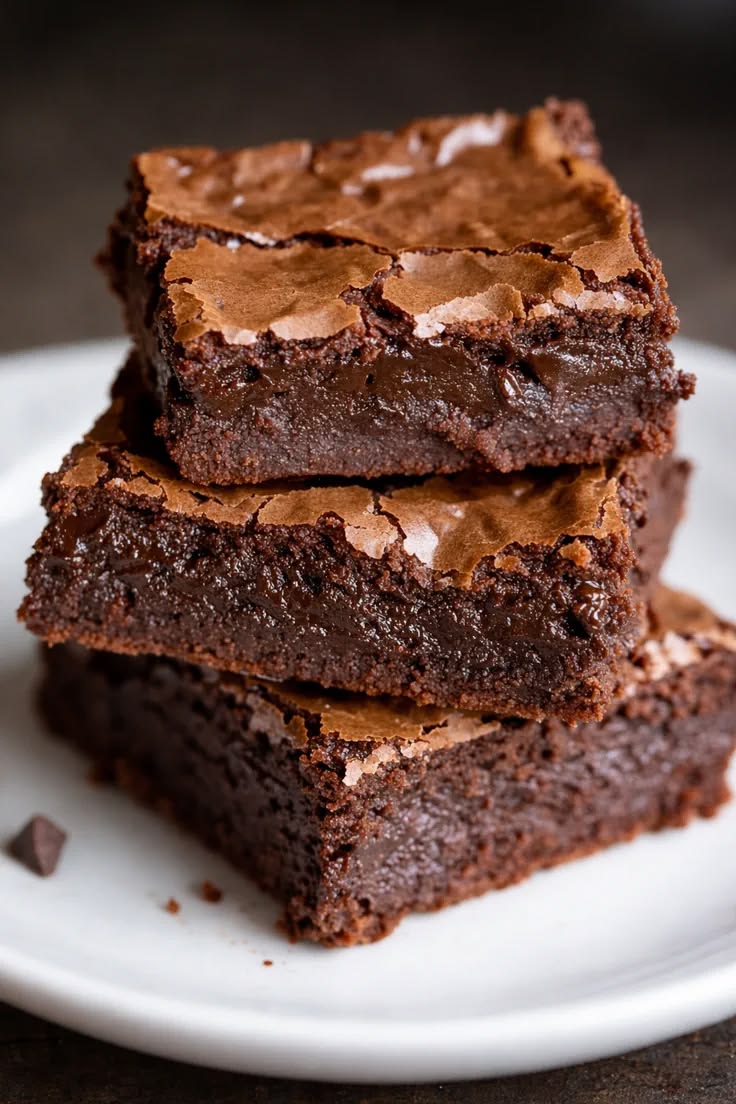
If you love rich chocolate desserts, these homemade brownies are the perfect treat. This easy brownies recipe creates delicious chocolate brownies with a soft, fudgy center, slightly chewy edges, and a deep chocolate flavor. Whether you are baking for your family, preparing a dessert for a party, or simply satisfying a chocolate craving, these brownies are guaranteed to become a favorite.
One of the best things about making brownies from scratch is that you only need a few simple ingredients. With butter, sugar, eggs, flour, cocoa powder, and chocolate, you can make bakery-style brownies right in your own kitchen. You do not need special equipment or complicated baking techniques to achieve excellent results.
This easy homemade brownies recipe is perfect for beginners and experienced bakers alike. It includes simple step-by-step instructions, helpful baking tips, common mistakes to avoid, and delicious variations to try. You will also learn how to store brownies properly and how to achieve the perfect balance between a fudgy texture and a rich chocolate taste.
If you have been searching for the best fudgy brownies recipe, this guide will help you bake brownies that are moist, chocolatey, and irresistible every time.
History of Brownies
Brownies are one of the most popular chocolate desserts in the United States. Their history dates back to the late nineteenth century, when American bakers began creating small chocolate cakes that were easier to serve than traditional layer cakes.
One of the earliest widely recognized brownie recipes appeared in a cookbook published in the late 1800s. Over time, brownies became a favorite homemade dessert because they were simple to prepare, easy to transport, and perfect for sharing.
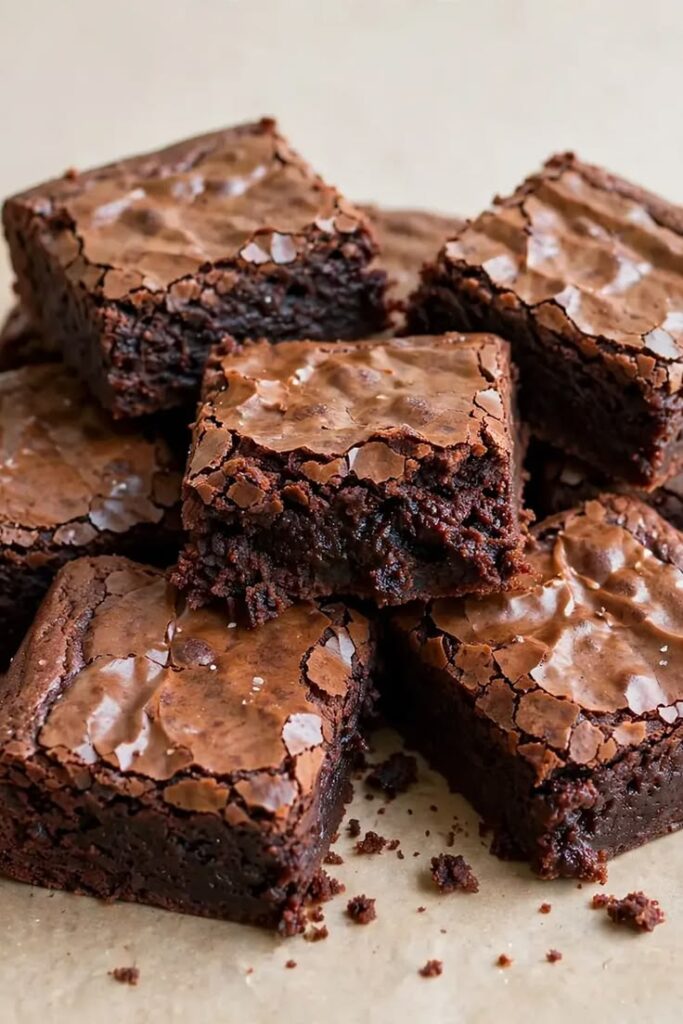
Traditional brownies are generally made with chocolate, butter, sugar, eggs, and flour. However, different recipes produce different textures. Some brownies are light and cake-like, while others are dense, chewy, and fudgy.
Today, chocolate brownies are enjoyed worldwide, especially in the United States, Canada, the United Kingdom, and Australia. Bakers have created countless variations, including walnut brownies, cream cheese brownies, peanut butter brownies, and gluten-free brownies.
Although modern recipes vary, the appeal of brownies remains the same: a rich chocolate flavor, a satisfying texture, and a simple preparation method that makes them suitable for almost any occasion.
Ingredients for Homemade Brownies
The secret to making the best homemade brownies is choosing the right ingredients and measuring them accurately. Each ingredient contributes to the flavor, texture, and appearance of the finished dessert.
Ingredients
- 1/2 cup (113 g) unsalted butter
- 1 cup (200 g) granulated sugar
- 2 large eggs, preferably at room temperature
- 1 teaspoon vanilla extract
- 1/3 cup (35 g) unsweetened cocoa powder
- 1/2 cup (65 g) all-purpose flour
- 1/4 teaspoon salt
- 1/2 cup (85 g) chocolate chips or chopped chocolate, optional
Ingredient Notes
Butter: Butter gives brownies a rich flavor and helps create a moist texture. Unsalted butter is recommended because it allows you to control the amount of salt in the recipe.
Granulated sugar: Sugar adds sweetness and helps create the shiny, delicate crust often found on homemade brownies.
Eggs: Eggs bind the ingredients together and contribute to the structure. Using room-temperature eggs can make mixing easier.
Vanilla extract: Vanilla enhances the chocolate flavor and adds warmth to the overall taste.
Unsweetened cocoa powder: Cocoa powder provides the deep chocolate flavor that makes these brownies so delicious. Natural unsweetened cocoa powder works well for this recipe.
All-purpose flour: Flour gives the brownies enough structure to hold their shape. Avoid adding too much flour because it can make the brownies dry or cakey.
Salt: A small amount of salt balances the sweetness and makes the chocolate flavor more noticeable.
Chocolate chips: Adding chocolate chips creates extra pockets of melted chocolate. You can also use chopped dark chocolate or milk chocolate.
Instructions: How to Make Brownies
Making brownies from scratch is easier than you might think. Follow these simple steps to prepare a batch of rich, fudgy chocolate brownies.
Step 1: Preheat the Oven
Preheat your oven to 350°F (175°C). Line an 8-inch square baking pan with parchment paper, leaving a little extra paper over the sides so you can lift the brownies out easily after baking.
Lightly grease the pan if necessary to prevent sticking.
Step 2: Melt the Butter
Place the butter in a microwave-safe bowl and melt it in short intervals, stirring between each interval. You can also melt the butter in a small saucepan over low heat.
Allow the melted butter to cool slightly before adding the eggs. The butter should be warm but not extremely hot.
Step 3: Mix the Butter and Sugar
Add the granulated sugar to the melted butter and whisk until the mixture is well combined.
This step helps dissolve some of the sugar and contributes to the texture of the finished brownies.
Step 4: Add the Eggs and Vanilla
Add the eggs one at a time, whisking after each addition. Stir in the vanilla extract.
Mix until the ingredients are smooth and evenly combined. Avoid using excessively hot butter, which could partially cook the eggs.
Step 5: Add the Dry Ingredients
Sift the cocoa powder, flour, and salt into the bowl.
Using a spatula, gently fold the dry ingredients into the wet mixture. Stop mixing as soon as the flour disappears. Overmixing can develop excess gluten and produce tougher brownies.
If you want extra chocolate flavor, fold in the chocolate chips or chopped chocolate at this stage.
Step 6: Transfer the Batter to the Pan
Pour the brownie batter into the prepared baking pan. Use a spatula to spread it evenly into the corners.
Smooth the surface gently so the brownies bake more evenly.
Step 7: Bake the Brownies
Place the pan in the preheated oven and bake for approximately 20–26 minutes.
Baking time depends on your oven and the type of pan you use. Begin checking around the 20-minute mark.
Insert a toothpick into the center. For fudgy brownies, it should come out with moist crumbs attached, rather than completely clean or covered in liquid batter.
Avoid overbaking because the brownies will continue to firm up slightly as they cool.
Step 8: Cool Before Cutting
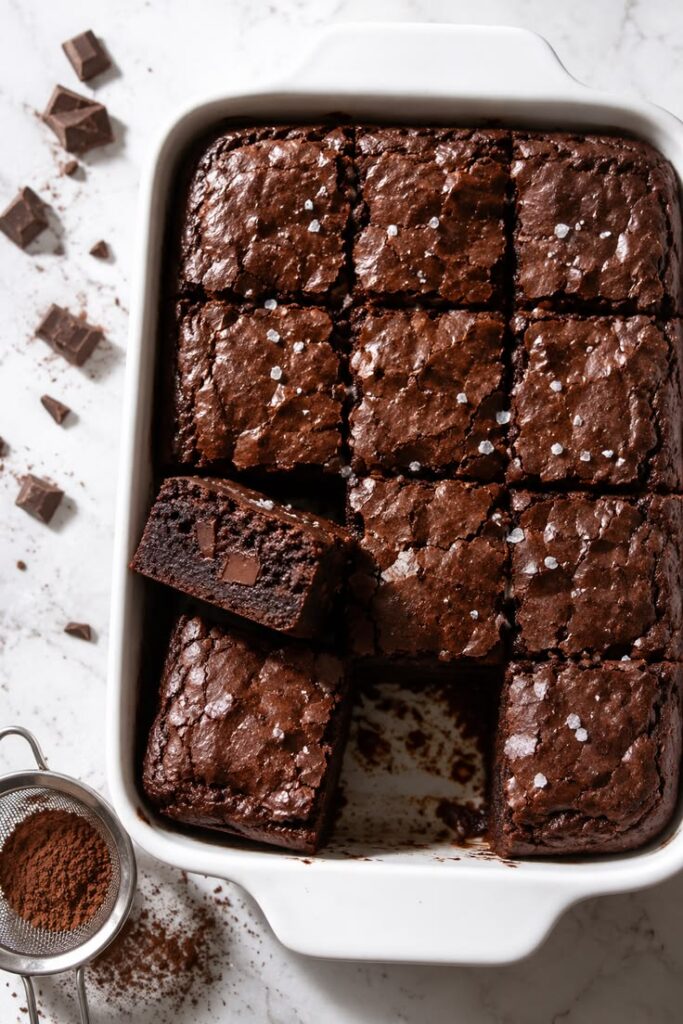
Remove the pan from the oven and place it on a heat-safe surface. Allow the brownies to cool completely before cutting them into squares.
For cleaner slices, lift the brownies out using the parchment paper and use a sharp knife. Wipe the knife between cuts if you want neat, bakery-style squares.
Serve your homemade brownies with a glass of milk, a scoop of vanilla ice cream, or your favorite cup of coffee.
Common Mistakes When Making Brownies
Even a simple brownie recipe can produce disappointing results if a few important details are overlooked. Here are the most common brownie baking mistakes and how to avoid them.
1. Overbaking the Brownies
Overbaking is one of the main reasons brownies become dry. Unlike traditional cakes, fudgy brownies should retain some moisture in the center.
Solution: Start checking the brownies before the recommended baking time ends. Remove them when a toothpick inserted into the center shows moist crumbs without wet batter.
2. Measuring Too Much Flour
Adding too much flour can make brownies dense, dry, and cakey.
Solution: Use a kitchen scale whenever possible. If measuring with cups, spoon the flour into the measuring cup and level it off instead of packing it down.
3. Overmixing the Batter
Mixing the batter too vigorously after adding the flour can develop gluten and affect the texture.
Solution: Fold the dry ingredients into the wet mixture gently and stop once everything is combined.
4. Cutting the Brownies Too Early
Warm brownies are soft and delicate. Cutting them too soon can cause the pieces to crumble or lose their shape.
Solution: Let the brownies cool completely before slicing. If you prefer extra-clean edges, refrigerate them briefly after cooling.
5. Using Ingredients at the Wrong Temperature
Very cold eggs can be harder to incorporate evenly, while excessively hot melted butter can partially cook the eggs.
Solution: Bring the eggs to room temperature and allow the melted butter to cool slightly before mixing.
6. Using the Wrong Pan Size
A pan that is too large can produce thin brownies that bake quickly. A smaller pan may result in thicker brownies that need more time.
Solution: Use an 8-inch square pan for this recipe and check for doneness rather than relying entirely on the timer.
7. Expecting Brownies to Look Fully Cooked in the Oven
Brownies can appear slightly soft in the center when they are ready. Waiting until the middle looks completely firm may result in overbaking.
Solution: Look for set edges and a center that is no longer liquid. Remember that the brownies will continue to set as they cool.
Tips for the Best Fudgy Brownies
Use these practical tips to improve the flavor and texture of your brownies.
1. Use good-quality cocoa powder. Since chocolate is the main flavor, cocoa powder makes a noticeable difference. Choose unsweetened cocoa powder with a rich aroma.
2. Measure your ingredients carefully. Accurate measurements help create consistent results. A digital kitchen scale is especially useful for flour and cocoa powder.
3. Do not overmix the batter. Gentle mixing helps keep the brownies tender and fudgy.
4. Watch the baking time closely. Every oven is different, so begin checking the brownies early. A few extra minutes can significantly change their texture.
5. Add chocolate chips for extra richness. Chocolate chips or chopped chocolate create melted pockets throughout the brownies.
6. Let the brownies cool completely. Cooling allows the center to set and makes cutting easier.
7. Use parchment paper. Parchment paper makes removing the brownies from the pan much easier and reduces the risk of broken pieces.
8. Choose the right cocoa powder. Natural cocoa powder is a reliable option for this recipe. If you substitute Dutch-process cocoa powder, the flavor and baking characteristics may differ slightly.
9. Add a pinch of espresso powder. A small amount of espresso powder can deepen the chocolate flavor without making the brownies taste strongly of coffee.
10. Sprinkle flaky sea salt on top. A little flaky salt can balance the sweetness and create a more sophisticated dessert.
Brownie Variations to Try
One of the best things about homemade brownies is how easy they are to customize. Once you master the basic recipe, try one of these delicious variations.
1. Chocolate Chip Brownies
Fold an additional 1/2 cup of chocolate chips into the batter before baking. Use dark, milk, or semisweet chocolate depending on your preference.
This variation is perfect for chocolate lovers who want an extra-rich dessert.
2. Walnut Brownies
Add approximately 1/2 cup of chopped walnuts to the batter. Walnuts provide a pleasant crunch that contrasts with the soft brownie center.
Pecans are another excellent option if you prefer a slightly sweeter, buttery flavor.
3. Peanut Butter Brownies
Drop small spoonfuls of peanut butter over the brownie batter before baking. Swirl gently with a knife to create a marbled pattern.
Avoid mixing too much peanut butter into the batter, as excessive additions can affect the texture.
4. Cream Cheese Brownies
Prepare a simple cream cheese mixture using softened cream cheese, a little sugar, and an egg yolk. Add spoonfuls over the brownie batter and swirl gently before baking.
The result is a rich dessert with a tangy cheesecake-style layer.
5. Double Chocolate Brownies
For an even more intense chocolate flavor, combine cocoa powder with melted dark chocolate and chocolate chips.
This variation works especially well when you want dense, luxurious brownies for special occasions.
6. Gluten-Free Brownies
Replace the all-purpose flour with a suitable gluten-free baking flour blend. Choose a blend designed to replace regular flour at a similar ratio.
Check all ingredient labels to ensure they meet your dietary requirements. Results can vary depending on the flour blend.
7. Vegan Brownies
To make a vegan version, use plant-based butter and a tested egg-free brownie recipe. Ground flaxseed mixed with water can replace eggs in some recipes, but the texture may be different from this original version.
Make sure the chocolate and other ingredients are also dairy-free and vegan-friendly.
8. Salted Caramel Brownies
Drizzle a small amount of thick caramel sauce over the batter and swirl it gently before baking. Finish with a light sprinkle of flaky sea salt after baking.
Caramel adds sweetness and a buttery flavor that pairs beautifully with chocolate.
9. Mint Chocolate Brownies
Add a small amount of peppermint extract to the batter or mix in mint chocolate pieces. Start with a little extract because peppermint flavor can quickly become overpowering.
10. Brownie Sundae
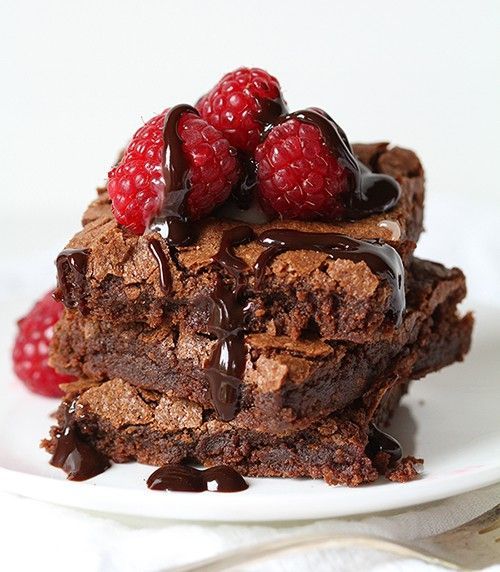
Serve a slightly warm brownie with vanilla ice cream, chocolate sauce, and chopped nuts.
This simple dessert is ideal for dinner parties, celebrations, or weekend treats.
Nutritional Information
The nutritional values for homemade brownies depend on the exact ingredients, chocolate brand, serving size, and any additional toppings.
The following figures are approximate estimates for one brownie when the recipe is divided into 9 equal servings.
- Calories: approximately 200–230
- Carbohydrates: approximately 27–32 g
- Protein: approximately 3–4 g
- Fat: approximately 10–12 g
- Saturated fat: approximately 6–7 g
- Sugar: approximately 21–25 g
- Fiber: approximately 1–2 g
- Sodium: approximately 70–120 mg
These estimates are provided for general informational purposes and are not laboratory-tested nutritional values. Adding nuts, caramel, extra chocolate, or ice cream will change the nutritional content.
For a more precise estimate, calculate the nutrition using the exact ingredients and quantities you use.
To reduce the sugar content, you may experiment with a suitable sugar substitute intended for baking. However, sugar also affects moisture, structure, and the characteristic brownie crust, so substitutions may change the final result.
Frequently Asked Questions About Brownies
1. What is the secret to making fudgy brownies?
The secret is using the right ingredient proportions, avoiding too much flour, and removing the brownies from the oven before they become dry. Slightly underbaking the center, without leaving raw batter, helps preserve a fudgy texture.
2. How do I know when brownies are done?
The edges should look set, and the center should no longer appear liquid. A toothpick inserted into the center should come out with moist crumbs rather than wet batter. A completely clean toothpick can indicate that the brownies have baked longer than necessary for a fudgy texture.
3. Why are my brownies cakey instead of fudgy?
Brownies can become cakey when they contain too much flour, too many eggs for the recipe, or excessive air from mixing. Overbaking can also make the texture less moist.
Follow the ingredient measurements carefully and mix the batter gently.
4. Can I make brownies without a mixer?
Yes. You can make this easy brownies recipe with a bowl, a whisk, and a spatula. A hand mixer is not necessary.
5. Can I use oil instead of butter?
You can use a neutral-flavored oil in some brownie recipes, but the flavor and texture may change. Butter provides a rich taste, while oil can produce a moist texture. For the most reliable results, use a recipe specifically tested with oil if you want to replace the butter completely.
6. How should I store homemade brownies?
Store completely cooled brownies in an airtight container at room temperature for approximately 3–4 days, provided the room is reasonably cool. For longer storage, refrigerate them or freeze them in a suitable airtight container.
7. Can I freeze brownies?
Yes. Allow the brownies to cool completely, cut them into portions if desired, and wrap them tightly. Place the wrapped pieces in a freezer-safe container or bag.
For best quality, use them within approximately 2–3 months. Thaw individual portions at room temperature before serving.
8. Can I make brownie batter ahead of time?
Brownie batter is best baked soon after preparation for predictable results. If you need to prepare ahead, you can measure the dry ingredients in advance and store them separately. Mix the wet and dry ingredients shortly before baking.
9. Why do brownies have a shiny crust?
A shiny, thin crust is influenced by the sugar, eggs, mixing method, and recipe proportions. Whisking the sugar and eggs thoroughly can help, although not every brownie recipe produces the same glossy surface.
10. Can I add nuts or other ingredients?
Absolutely. Chopped walnuts, pecans, chocolate chips, peanut butter swirls, and caramel are popular additions. Keep the total quantity of extra ingredients reasonable so the brownies maintain their structure.
11. What is the best chocolate to use for brownies?
Unsweetened cocoa powder works well in this recipe. You can also add semisweet or dark chocolate for a deeper flavor. Choose chocolate you enjoy eating because its flavor will be noticeable in the finished dessert.
12. Should brownies be refrigerated?
Brownies without perishable fillings can generally be stored in an airtight container at room temperature for a few days. Refrigeration is useful for longer storage or in warm conditions, although it may make the brownies firmer.
Brownies containing cream cheese or other perishable fillings should be refrigerated according to food-safety guidance.
Conclusion
These homemade brownies are a delicious way to enjoy a classic chocolate dessert without complicated ingredients or equipment. With butter, sugar, eggs, cocoa powder, and flour, you can create brownies that are rich, soft, chewy around the edges, and wonderfully chocolatey.
The key to the best fudgy brownies is accurate measuring, gentle mixing, careful baking, and allowing the brownies to cool before cutting. Once you understand these simple techniques, you can customize the recipe with walnuts, chocolate chips, peanut butter, caramel, or other favorite ingredients.
Whether you are baking for a birthday, a family gathering, a holiday celebration, or an ordinary afternoon, this easy brownie recipe is a reliable option for chocolate lovers.
Try this recipe, experiment with your favorite variations, and enjoy freshly baked brownies with a glass of milk or a scoop of vanilla ice cream. Save this recipe so you can make these rich homemade brownies whenever your chocolate cravings strike.